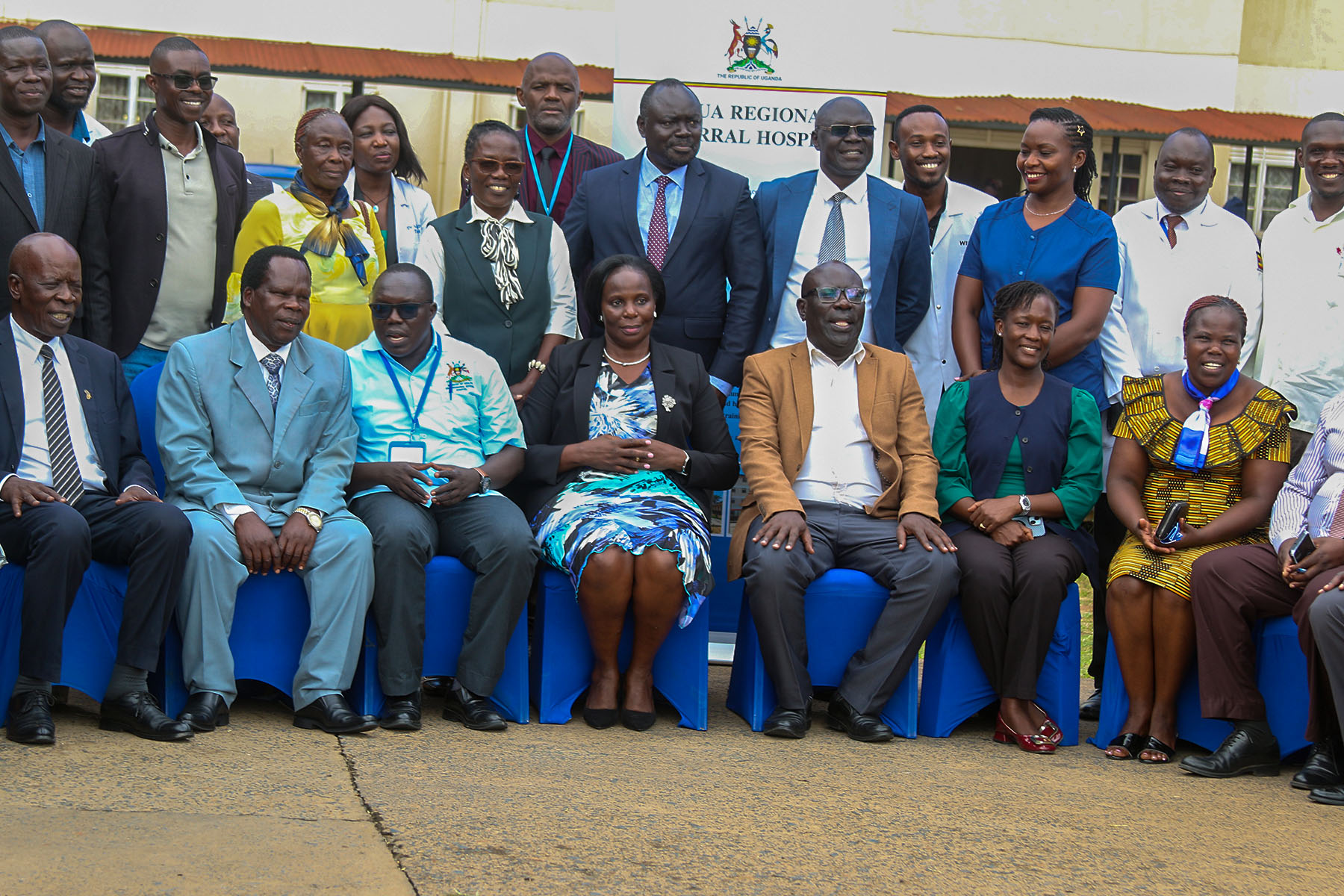
Muni University, in collaboration with the Ministry of Health and Arua Regional Referral Hospital, has launched a state-of-the-art histopathology laboratory on Wednesday, November 11, 2026, to strengthen cancer diagnosis, promote early detection, and facilitate timely treatment across the West Nile sub-region. Operating under the National Health Laboratory and Diagnostic Services (NHLDS) framework, the facility allows for local processing of tissue biopsies, cancer staging, and complex diagnostic testing.
The facility is expected to significantly ease the financial burden on patients by bringing critical diagnostic services closer to home. Previously, patients had to travel over 450 kilometers to Mulago National Referral Hospital in Kampala for tissue biopsies and specialized cancer screenings, while overwhelming workloads at the national referral facility forced patients to endure long waiting times for test results.
Dr. Gilbert Aniku, the hospital, Acting Senior Executive Consultant, noted that the new facility will dramatically accelerate local service delivery by cutting down result turnaround times from over a month to one week or less.
"When we would get specimens from patients, it would require that we ship these through the hub system to the national referral hospital Mulago pathology lab where this is read along with many other specimens coming from around the country, and that process and the result turnaround time would take not less than a month," Dr. Aniku explained. "This service will actually cut down the turnaround time of getting a histology result from one month or more to about a week or even less. It means we shall be able to serve our patients better and give more timely results."
The laboratory was officially commissioned by Dr. Susan Nabadda Ndidde, Commissioner for National Health Laboratory and Diagnostic Services and Chief Government Pathologist at the Ministry of Health.
"I commend Muni University for its contribution to community transformation and strengthening healthcare delivery in the West Nile sub-region," Dr. Nabadda said. "The Ministry of Health remains committed to supporting Muni University and Arua Regional Referral Hospital to ensure this facility becomes fully operational and provides quality diagnostic services to the community."
Dr. Nabadda also urged hospital management to prioritize staffing to guarantee long-term success. "You must recruit suitably qualified personnel to undertake tissue processing, screening, and examination. Adequate human resource capacity is critical to the effective delivery of histopathology services," she emphasized. She further challenged the administration to launch active community outreach campaigns and ensure cytology screening services are
running smoothly so the facility makes a tangible impact on patient care.
Officiating at the launch on behalf of Muni University Vice Chancellor Assoc. Prof. Simon Anguma Katrini was Prof. Robert Kajobe, Director of the Directorate of Research and Graduate Training.
"West Nile continues to face significant cancer-related healthcare challenges, and the establishment of this facility will bring essential diagnostic services closer to the people," Prof. Kajobe, remarked. "Patients who previously had to travel to Mulago National Referral Hospital in Kampala for specialized investigations often incurred substantial transportation and medical expenses, placing considerable financial strain on families."
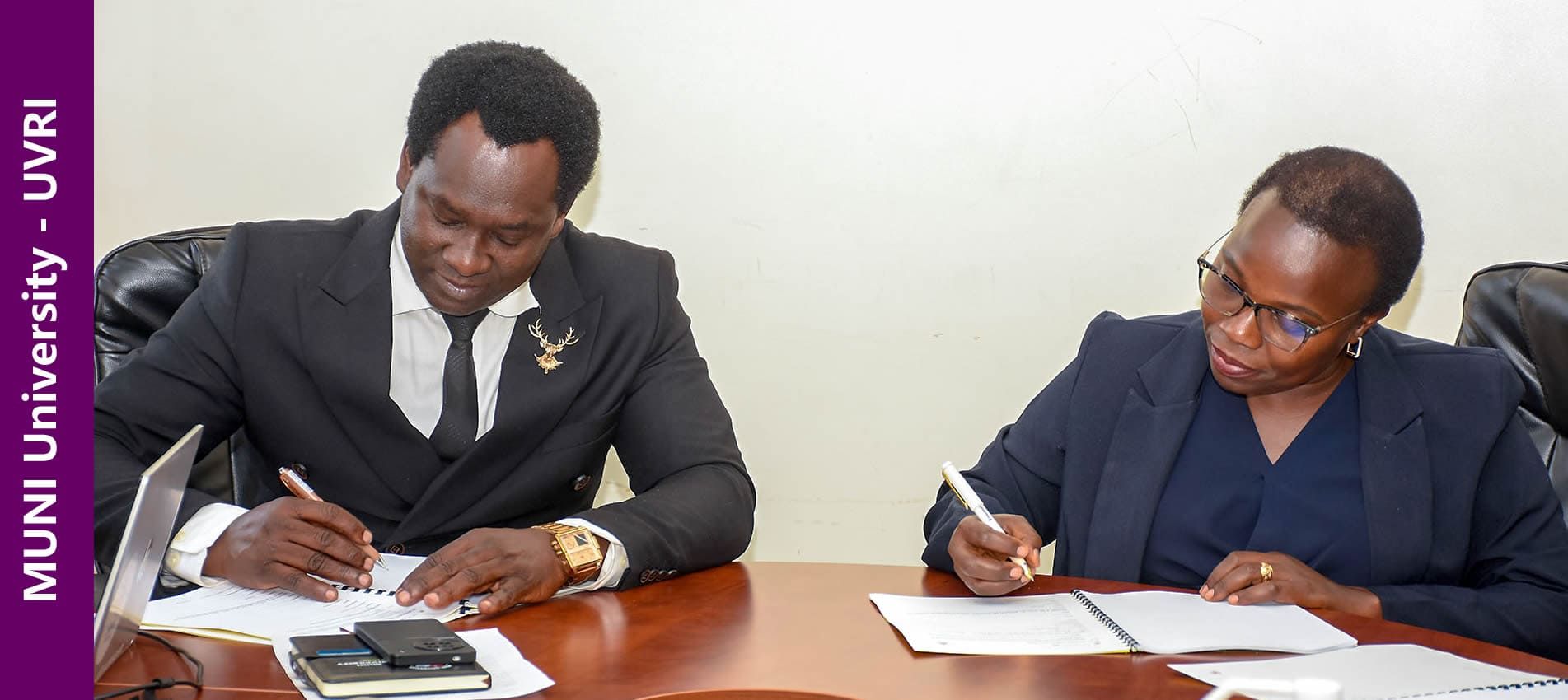
Highlighting the role of the newly signed Memorandum of Understanding (MoU) between the institutions—which covers clinical education, health delivery, and joint research—Prof. Kajobe, also called for sustainability in maintaining lab supplies and reagents. "Ultimately, the success of this initiative will not be measured by the equipment, but the patients diagnosed, professionals trained, the research generated, and most importantly, the lives improved," he urged.
Dr. Wadria Ronald, Chair of the Arua Regional Referral Hospital Management Board, thanked Muni University for cementing the partnership by lobbying for vital resources and equipment.
"The government finds it easier to extend services to communities and regions through partnerships," Dr. Wadria noted. "This joint effort fulfills the government's mandate for different institutions to work together and manage public resources effectively and efficiently to serve the community."
With the laboratory now commissioned, health officials expect faster turnaround times for biopsy results, paving the way for earlier interventions and higher survival rates for cancer patients throughout the region.